What mapping a whole hospital taught us
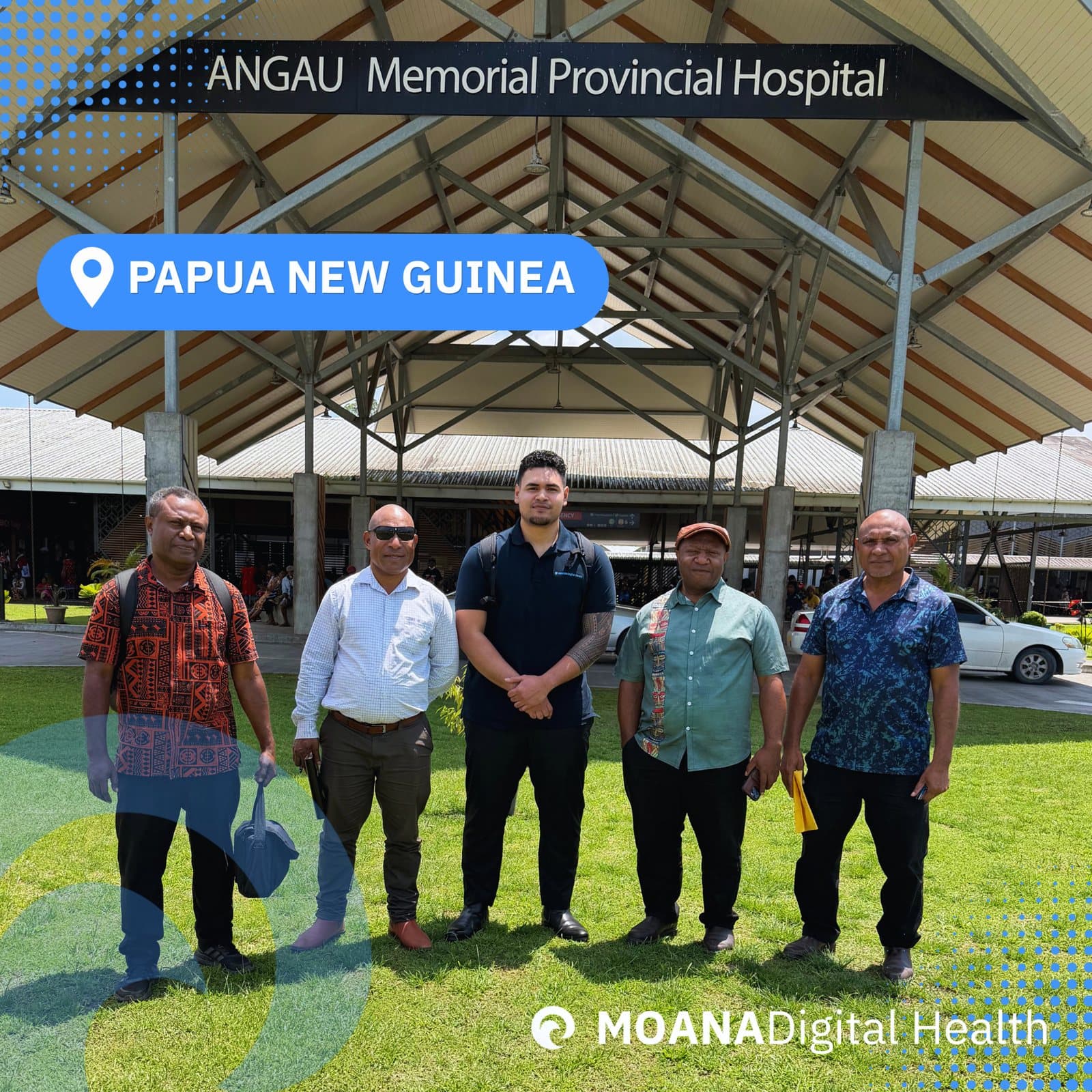
When we started at ANGAU Memorial Provincial Hospital, the plan was a clinical pilot. Emergency, registration, admissions, then the wards.
We walked every department to map how work actually moves, not how the policy binder says it moves.
Two things happened that we did not plan for.
The departments came to us
Catering and Maintenance approached us themselves. They had heard about the work with the clinical teams and wanted in.
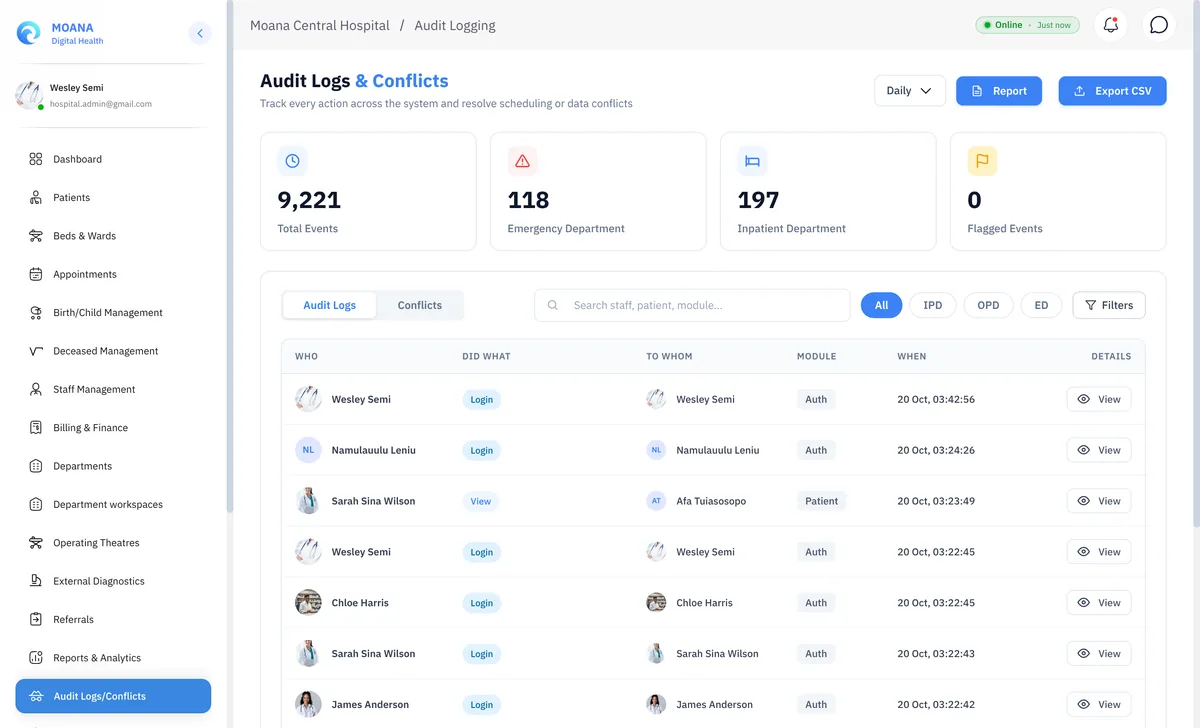
Catering wanted ward nurses to place inpatient meal orders with dietary needs attached, and invoices to go straight to the hospital’s finance office. Maintenance wanted any department to raise a job from its own dashboard into one queue.
Neither request is clinical. Both are about the same thing a clinician wants: stop writing the same information on three pieces of paper.
Paper is a workflow, not a problem
The Cancer Department runs on a national registry form that follows a patient from registration to follow up. The form works. What does not work is that it lives in a filing cabinet.
So the job is not to redesign their process. It is to put their form into the system so the registry builds itself as care happens.
What we changed
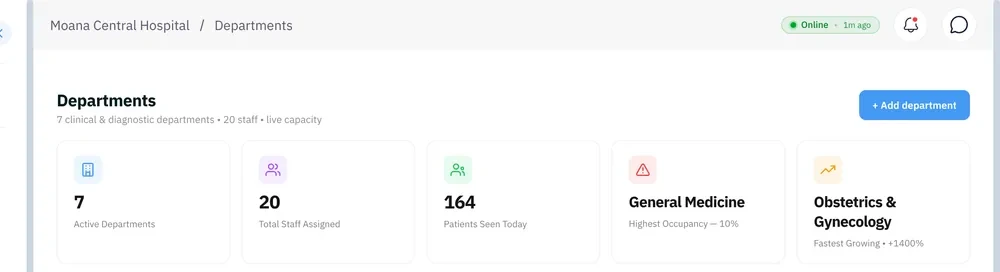
We stopped treating configuration as a phase at the end. Each department’s workflow is built with that department before we move on to the next, so that when the system goes into use it already matches how the hospital works.
The people who were never in the scope document will tell you whether the system is actually useful.
The lesson for anyone building health systems: walk the whole building. The people who were never in the scope document will tell you whether the system is actually useful.